Retail spaces in Oman focus on creating immersive brand experiences. So, modern showrooms and shopping malls are using digital display technologies to attract attention, increase visual appeal, and improve customer engagement. These days, transparent LED screens have emerged as a powerful solution that blends advertising with elegance.
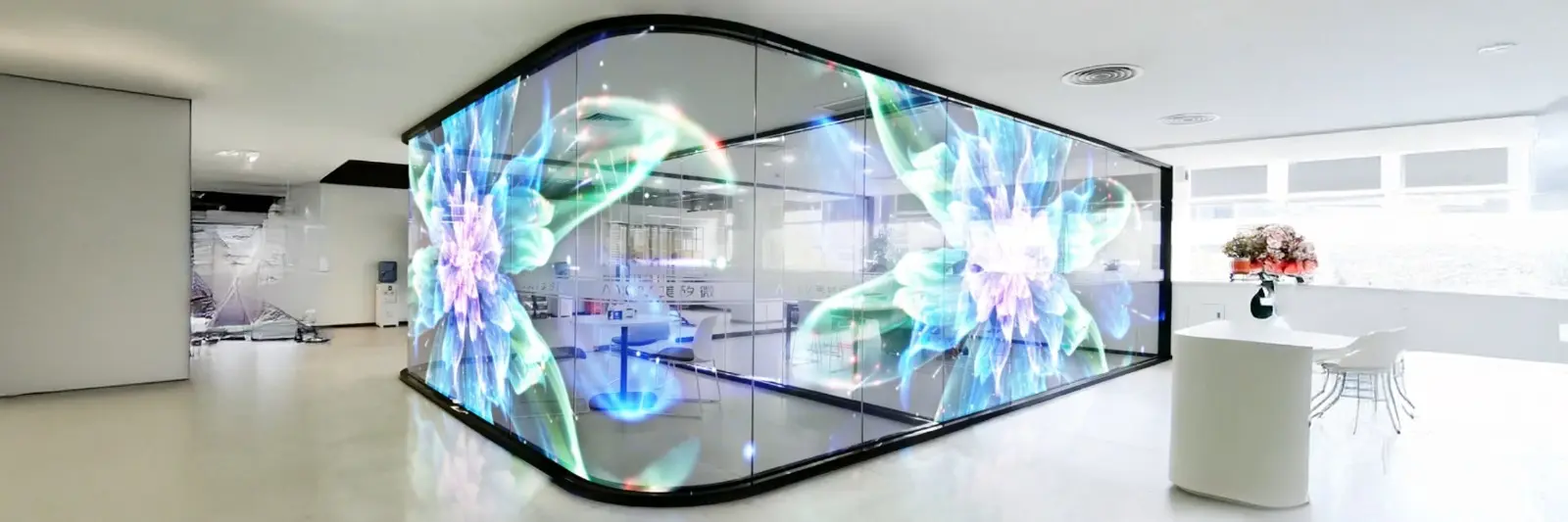
Transparent LED screens allow content to be displayed on glass surfaces without blocking visibility. This makes it suitable for showrooms and malls, maintaining product visibility while running impactful digital campaigns.
What is a Transparent LED Screen?
A transparent LED screen is designed with a high level of transparency. Such screens allow users to see through the screen while playing dynamic content. Transparent LED screens don’t completely block the background like conventional LED screens and are integrated directly into glass facades, windows, or partitions. Depending on the model, transparency levels can change from 60 per cent to 80 per cent, making them highly suitable for retail glass store fronts in Oman.
Key Benefits for Showrooms
Transparent LED screens offer multiple advantages for showroom environments.
- Maintains product visibility: Customers can see the products like fashion displays, vehicles, electronics or luxury items behind the glass while playing promotional content on the screen.
- Premium brand image: The modern and futuristic design enhances the brand perception and creates a high-end visual experience for the customers.
- Dynamic advertising: Showrooms can run product videos, offers, launches and seasonal promotions in real time.
- Space efficiency: As the screen can be integrated with the glass, it does not require additional floor space.
- High brightness output: Transparent LED screens provide clear visibility even in bright daylight.
This makes transparent LED screens popular in automotive showrooms, luxury boutiques, jewellery stores, and flagship retail outlets.
Advantages of Using Transparent LED Screens in Shopping Malls
Shopping malls benefit greatly from transparent LED installations, particularly on large glass surfaces and atriums.
- Attracts Foot Traffic: Moving visuals naturally capture the attention of the audience better than static posters.
- Modern Architectural Integration: Screens blend with glass facades without disrupting the mall’s design aesthetics.
- Multi-Level Visibility: Content can be seen from different floors in large atrium areas.
- Advertising Revenue Opportunity: Malls can lease display space to brands for promotions.
Because they do not block light, these screens help maintain the open and spacious feel that modern malls aim to create.
Performance & Technical Advantages
Beyond aesthetics, transparent LED screens deliver strong technical performance for commercial environments of showrooms and malls. They offer high brightness levels for well-lit indoor mall spaces, providing clear visibility to customers even during daytime.
At the same time, they are energy-efficient compared to many traditional large-format display systems. This helps businesses to manage operating costs more effectively. Their lightweight structure also reduces structural load on glass facades, making installation safer and more practical for modern architectural designs.
In addition to performance efficiency, transparent LED screens are built for durability and long-term operation. With easy content management through digital control systems, businesses can quickly update promotions, advertisements, and branding visuals for flexibility and consistent engagement with customers.
Transparent LED vs Traditional LED Displays
When compared to conventional LED video walls, transparent LED screens offer unique advantages in retail environments:
- Traditional LED walls block the background, while transparent LED screens preserve visibility while displaying promotional content.
- Transparent screens integrate directly with glass, improving space utilisation inside malls and showrooms.
- They enhance storefront aesthetics rather than overpowering them.
However, for completely opaque, high-impact, large outdoor displays, traditional LED walls may still be preferred. The choice depends on the application and environment.
Factors to Consider Before Installation
Before investing in a transparent LED screen, businesses should carefully evaluate several technical and strategic factors to make sure that the installation delivers maximum impact and long-term value.
- Viewing Distance: Pixel pitch should match the expected viewing range for clear and sharp visuals. Screens viewed from closer distances require finer resolution, while those seen from farther away can use wider pixel spacing.
- Content Type: Transparent LED screens perform best with bright, high-contrast visuals and simple messaging. Plan your content strategy in advance, so that the display delivers maximum impact and readability.
- Glass Structure & Support: The strength and design of the glass facade must support the screen’s weight and installation method. Proper structural assessment is important for safety, stability, and seamless architectural integration.
- Ambient Lighting Conditions: The surrounding lighting environment affects brightness requirements and visibility. Understanding light exposure helps in selecting the right brightness level and transparency ratio.
- Budget & ROI Expectations: Businesses should evaluate not only installation costs but also long-term operational and maintenance expenses. A clear return-on-investment strategy ensures the display adds measurable marketing and branding value.
Conclusion
Transparent LED screens combine modern aesthetics with high-performance digital display capabilities, making them a powerful solution for retail environments. They maintain product visibility, enhance storefront appeal, attract customer attention, and integrate seamlessly with glass architecture without blocking natural light.
For modern showrooms and shopping malls, this technology offers the perfect balance between advertising impact and design elegance. Businesses can select a transparent LED solution that delivers strong visual engagement and long-term value after careful evaluation of the environment, viewing distance, content strategy, and brand goals.