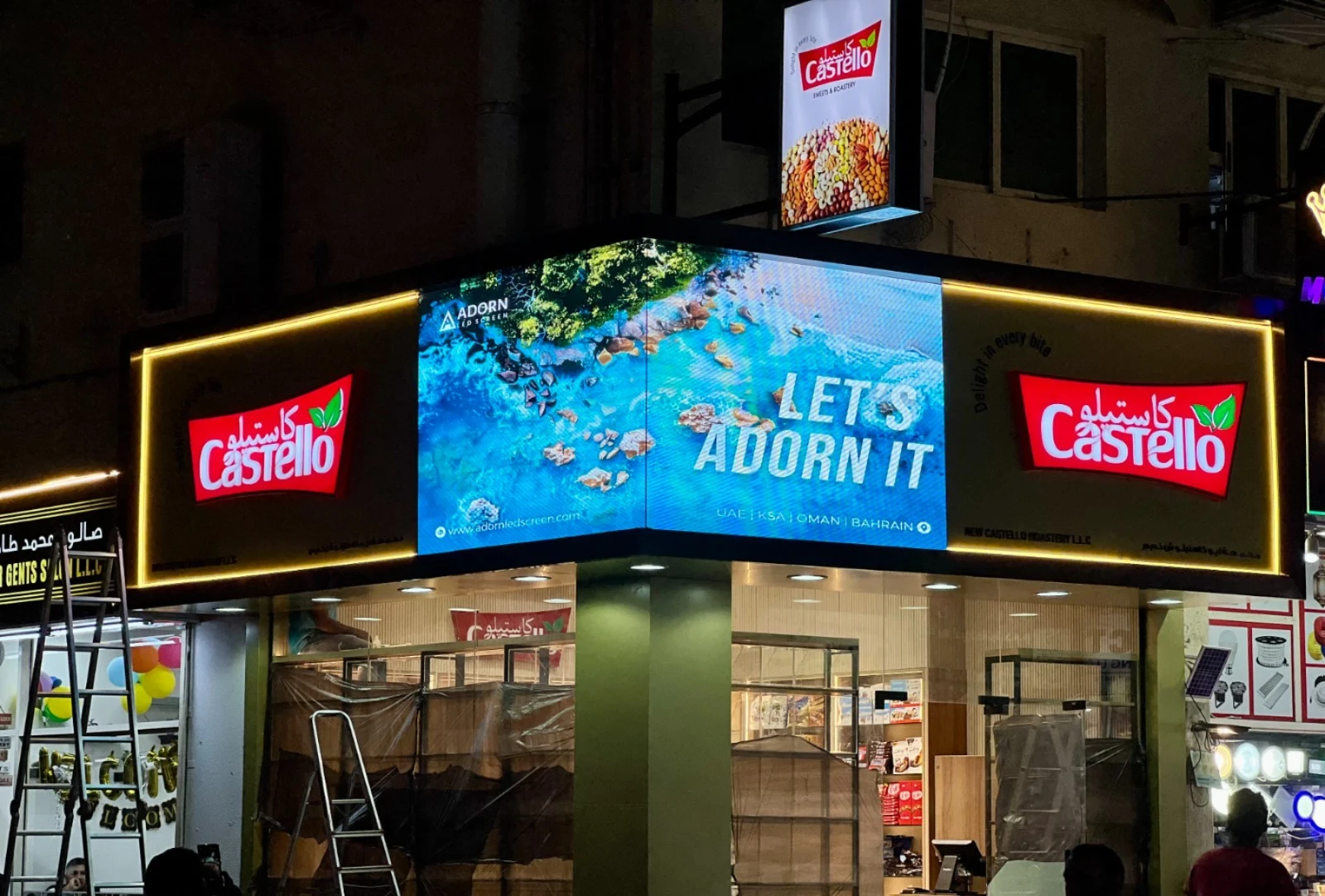
Buildings are no longer just physical structures, they are becoming dynamic digital surfaces that display content and enhance visual appeal. Transparent LED screen display technology is changing how modern architecture functions by allowing digital visuals on glass without blocking light. From retail spaces to large commercial buildings, these displays are widely used for branding and communication. Read on to know how transparent LED screens are transforming architecture and where they are applied.
What is a transparent LED display
A transparent LED screen display is a digital screen designed with a see through structure that allows light to pass while still displaying content. Unlike traditional LED screens that block visibility, a transparent LED screen is installed on glass surfaces, making it ideal for modern architecture.
This technology uses LED strips arranged with spacing to maintain transparency while delivering clear visuals. The level of transparency can range from 60 percent to 90 percent depending on the design. A led transparent display is commonly used in buildings where both visibility and digital communication are important.
Why transparent LED screens are used in modern architecture
Transparent LED screens are widely used in modern architecture because they combine visual design with advanced digital display technology. These transparent LED solutions allow buildings to maintain natural light and open visibility while integrating dynamic content such as advertising, branding, and information displays. This makes them highly suitable for glass facades, retail storefronts, and commercial buildings that require both aesthetics and functionality.
Transparent LED screen display systems also enhance architectural appeal by creating engaging visual experiences without blocking structural design elements. Their ability to integrate seamlessly with glass structures supports modern construction trends, especially in smart buildings and commercial spaces where digital communication and design innovation are essential.
Benefits of Transparent LED Screens
Transparent LED screens provide a modern solution for digital signage in architectural spaces, combining visibility, design flexibility, and efficient performance for commercial and retail environments.
- High transparency that maintains natural light and outside visibility
- Lightweight panel design that reduces structural load on glass facades
- Energy efficient operation compared to traditional LED display systems
- Flexible sizing options suitable for different building designs and layouts
- Seamless integration with glass surfaces in modern architecture
- High brightness levels for clear visibility in indoor and outdoor environments
- Easy installation and modular structure for scalable display setups
- Lower maintenance requirements compared to conventional large LED walls
Where are transparent LEDs used
Transparent LED screens are used across different industries and building types to enhance both function and appearance.
Retail Stores and Showrooms
Retail stores use transparent LED screens on glass windows to display promotions while keeping interiors visible. This improves storefront appeal, attracts customers, and increases foot traffic without blocking natural light or the overall design of the space.
Shopping Malls and Commercial Spaces
Shopping malls install transparent LED screens on glass walls and atriums to showcase advertisements and branding. These screens cover large areas, enhance visibility across multiple levels, and create a modern and engaging shopping environment for visitors.
Corporate Buildings and Offices
Corporate offices use transparent LED screens on glass facades and reception areas to display branding and digital content. This enhances the professional appearance of the space while maintaining openness, natural lighting, and a clean architectural design.
Airports and Transportation Hubs
Airports use transparent LED systems for advertisements and passenger information. These screens provide clear visibility without blocking views, helping maintain open spaces while delivering important updates and promotional content to large volumes of travelers.
Hotels and Luxury Spaces
Luxury hotels use transparent LED panels to create premium visual displays without affecting interior aesthetics. These screens enhance ambiance, support branding, and maintain elegant design while adding modern digital elements to guest areas and entrances.
Transparent LED display vs traditional LED screen
| Feature | Transparent LED Display | Traditional LED Screen |
| Visibility Through Screen | Allows visibility through the display | Blocks visibility completely |
| Structure Weight | Lightweight and easy to install | Heavier and more rigid structure |
| Installation Surface | Suitable for glass and transparent surfaces | Suitable for solid walls and structures |
| Design Appeal | Blends with modern architecture | More functional than aesthetic |
| Light Penetration | Allows natural light to pass through | Blocks light completely |
| Use Case | Ideal for showrooms and glass facades | Ideal for billboards and outdoor ads |
| Aesthetic Integration | Seamlessly integrates with building design | Stands out as a separate display unit |
| Display Coverage | Partial transparency with reduced density | Full coverage with high pixel density |
How transparent LED panels improve building design
Transparent LED panels enhance building design by merging digital content with architectural elements. Instead of adding bulky screens, these panels integrate directly into glass structures, maintaining the building’s original design.
They support the concept of digital facades, where buildings become interactive surfaces. A transparent led panel allows architects to combine aesthetics and functionality, making buildings more engaging and visually dynamic. This technology is increasingly used in smart city developments where design and technology work together.
What is the cost of transparent led screen display
The cost depends on factors such as size, resolution, and installation complexity, and pricing in Oman varies based on project requirements. Small installations typically range from OMR 150 to OMR 300 per square meter, medium projects cost around OMR 300 to OMR 600 per square meter, and large façade displays can exceed OMR 600 per square meter. Additional factors such as pixel pitch, brightness levels, and control systems also influence the final cost, while customized designs may further increase overall pricing depending on complexity.
How to Choose the Right Transparent LED Screen
Selecting the right transparent LED screen requires careful evaluation of technical specifications, installation conditions, and usage requirements to ensure optimal performance and visual clarity.
- Choose the right transparency level based on how much visibility and light you want to maintain
- Select pixel pitch according to viewing distance for clear and sharp display quality
- Ensure brightness levels match indoor or outdoor environment requirements
- Check compatibility with the installation surface, especially glass facades
- Evaluate screen size and layout based on your display area and content needs
- Consider control systems and software for easy content management
- Work with experienced suppliers to ensure proper design, installation, and long term reliability
Is Transparent LED Display Suitable for All Buildings
Transparent LED screens are best suited for buildings with glass surfaces, especially in modern architecture where maintaining visibility and natural light is important. They work well for glass facades, retail storefronts, showrooms, and commercial buildings where both display and transparency are required.
However, they are not ideal for solid walls or opaque structures, where traditional LED screens provide better brightness and visual impact. Factors such as glass quality, structural support, viewing distance, and ambient lighting also affect performance. Proper planning, technical evaluation, and design alignment are essential to ensure the display integrates well with the building and delivers effective results.
The future of transparent LED in architecture
Transparent LED display technology is reshaping how buildings are designed and experienced. By combining digital communication with architectural design, it allows structures to remain open while becoming interactive and visually engaging.
As demand for smart buildings and modern design continues to grow, transparent LED screens are becoming a standard feature in commercial and urban environments. This technology not only enhances visual appeal but also adds functional value, making it an important part of future architecture.
Transparent LED Displays for Modern Architecture
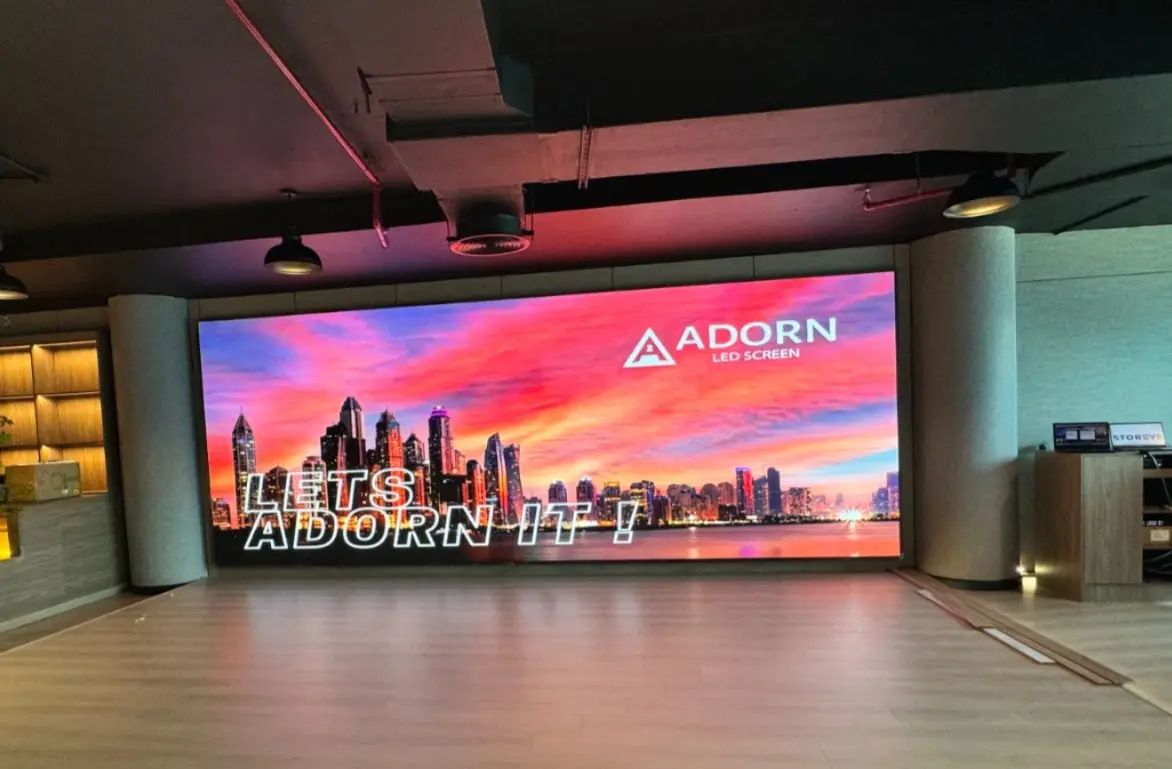
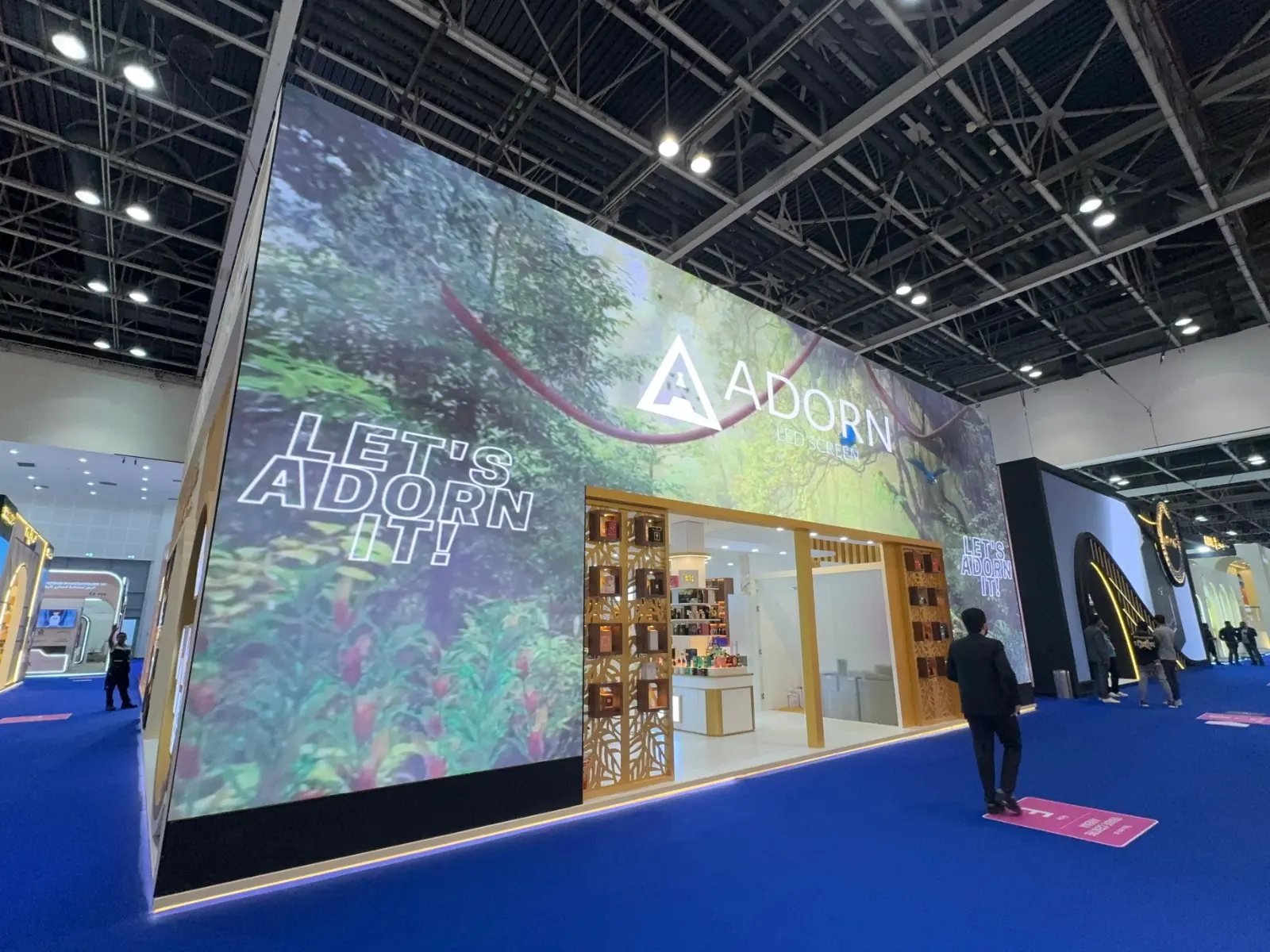
Adorn delivers advanced transparent LED display solutions designed for modern architectural spaces, transforming glass surfaces into dynamic digital screens without blocking natural light. Ideal for retail facades, commercial buildings, and high rise structures, our transparent LED screens combine visual impact with clean design. Our expert team ensures optimal transparency, correct pixel pitch, and seamless installation for clear, stable visuals. Choose Adorn for innovative display solutions that enhance architecture while maintaining openness and elegance.